Creating the perfect wedding day timeline is essential for ensuring that your special day unfolds smoothly and joyfully. A well-structured wedding day timeline not only helps manage the ceremony schedule and reception timeline but also alleviates stress by providing a clear plan that guides you through every moment. In this article, we’ll explore the importance of having a solid wedding organization strategy, share tips on how to create your own timeline, and highlight key considerations to keep in mind while planning. You’ll also find a sample wedding day timeline to inspire your own, along with advice on finalizing the details to ensure everything goes off without a hitch. To address common concerns, we’ll wrap up with a FAQ section that answers your burning questions about creating a wedding day timeline. With the right planning, your wedding can be a day filled with love and laughter, free from unnecessary chaos. Ready to dive in? Let’s get started!
The Importance of a Well-Structured Wedding Day Timeline
Why a Wedding Day Timeline Matters
A well-organized wedding day timeline is essential for ensuring a seamless and enjoyable experience for both the couple and their guests. It acts as a roadmap, guiding everyone through the various events and activities planned for the day. A clear timeline helps in managing time effectively, ensuring that each segment of the day runs according to schedule. This not only enhances the overall flow of the wedding but also significantly reduces stress for everyone involved.
Without a structured timeline, it’s easy for events to overlap or run late, which can lead to confusion and frustration. By detailing every aspect of the day, from the pre-ceremony preparations to the final send-off, couples can focus on enjoying their special moment rather than worrying about what comes next. A comprehensive wedding day timeline allows for better wedding organization and helps vendors and guests know where they need to be and when.
Key Components of a Wedding Day Timeline
To create an effective wedding day timeline, several key components should be included:
- Ceremony Schedule: This outlines the timing for the ceremony, including the arrival of the wedding party, the start time, and any special rituals or readings.
- Reception Timeline: This details the sequence of events during the reception, such as the introduction of the couple, speeches, the first dance, and cake cutting.
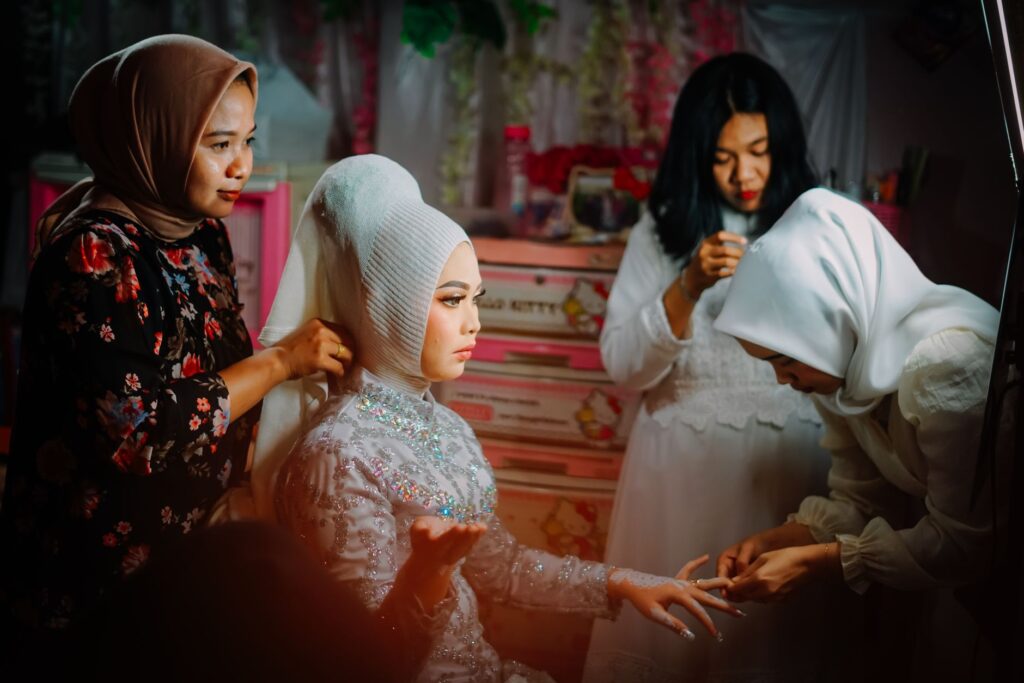
- Pre-Ceremony Activities: Time allocated for hair, makeup, and getting dressed, as well as time for photos before the ceremony.
- Vendor Coordination: Information on when vendors arrive and set up, ensuring everything is in place for the ceremony and reception.
By addressing these components in your wedding day timeline, you can create a day that flows smoothly and provides memorable moments for you and your guests. 
“`html
How to Create Your Wedding Day Timeline
Creating a seamless wedding day timeline is crucial for ensuring everything flows smoothly on your special day. To get started, gather essential information and draft an initial timeline that incorporates all key elements, from your ceremony schedule to the reception timeline.
Gathering Essential Information
The first step in creating your wedding day timeline is to collect all the necessary information. This includes:
- Vendor Schedules: Reach out to your vendors, such as photographers, caterers, and florists, to confirm their arrival times and any setup requirements.
- Guest Arrivals: Consider when your guests will begin arriving at the ceremony venue. If you are having a seated ceremony, allow for ample time for guests to find their seats.
- Venue Rules: Make sure to familiarize yourself with the venue’s rules regarding setup times, noise restrictions, and cleanup, as these can impact your timeline.
As you gather this information, be sure to communicate with your wedding planner, if you have one, as they can provide valuable insights and help with your wedding organization.
Drafting the Initial Wedding Day Timeline
Once you have all the necessary details, it’s time to draft your initial timeline. Start with the ceremony schedule. Here’s a suggested outline:
- Pre-Ceremony:
- Hair and makeup completion
- Getting dressed
- First look, if applicable
- Ceremony: Indicate the start time and duration. Include any special rituals or readings.
- Post-Ceremony: Plan for any group photos and allow time for guests to transition to the reception venue.
- Reception Timeline: Outline the schedule for dinner, speeches, and dancing.
Make sure to allocate enough time for each segment, allowing for potential delays, especially during the transition from the ceremony to the reception. Once you have your initial wedding day timeline drafted, review it with your vendors and your wedding planner to ensure everyone is on the same page.
With your timeline in hand, you can enjoy the anticipation of your special day knowing that you have a well-organized plan in place. For more tips on specific aspects of your timeline, check out our resources on Las Vegas wedding planning checklist and stress-free Vegas wedding tips.
“`
Key Considerations for Your Wedding Day Timeline
Creating a wedding day timeline is essential for ensuring your special day runs smoothly. Proper planning involves carefully allocating time for each event, from the ceremony to the reception. Below are key considerations to help you craft a seamless wedding day timeline.
Allocating Time for Each Event
Start by identifying the major components of your day. Typically, a wedding day includes preparation, the ceremony, a cocktail hour, and the reception. Here are some general guidelines for allocating time:
- Getting Ready: Allow 1.5 to 2 hours for hair and makeup for the bride and bridesmaids. This also includes time for dressing and any pre-ceremony photos.
- Ceremony Schedule: Most ceremonies last between 20 to 30 minutes. Consider adding extra time for guest arrival, seating, and any special rituals.
- Cocktail Hour: This generally lasts 1 hour. It provides a nice buffer for any post-ceremony photos and allows guests to mingle.
- Reception Timeline: Allocate at least 4 to 5 hours for the reception, including dining, speeches, and dancing.
It’s important to account for travel time between locations, especially if the ceremony and reception are held at different venues. Factor in potential delays to avoid a rushed atmosphere.
Flexibility in Your Timeline
Even with the best planning, unexpected delays can occur. An essential aspect of effective wedding organization is building in flexibility. Here are some tips on how to adjust your timeline smoothly:
- Communicate with Vendors: Ensure your vendors are aware of your timeline and can adapt if needed. This includes your photographer, caterer, and officiant.
- Have a Buffer: Build extra time into your schedule for each segment. For example, if your ceremony is set for 3 PM, plan for the ceremony to begin by 3:15 PM to accommodate late arrivals.
- Delegate Responsibilities: Assign a trusted friend or family member to manage the timeline on the day. They can help keep everyone on track without you having to worry.
By carefully allocating time for each event and remaining flexible, you can create a wedding day timeline that allows you to enjoy every moment without feeling rushed or stressed.
Sample Wedding Day Timeline
Creating a well-structured wedding day timeline is essential for ensuring everything flows smoothly. Below is a sample timeline that includes morning preparations, a ceremony schedule, and a reception timeline. This template can be easily adapted to fit various wedding styles and sizes, providing a solid foundation for your wedding organization.
Morning Preparations
- 7:00 AM: Bride and bridesmaids start hair and makeup.
- 7:30 AM: Groom and groomsmen begin getting ready.
- 9:00 AM: Photographer arrives for pre-ceremony photos.
- 9:30 AM: Bride’s final touches and dress reveal.
- 10:30 AM: First look photos (if applicable).
- 11:30 AM: Depart for ceremony venue.
Ceremony and Reception Schedule in the Wedding Day Timeline
- 12:00 PM: Guests arrive and are seated for the ceremony.
- 12:30 PM: Ceremony begins.
- 1:00 PM: Ceremony concludes; cocktail hour starts.
- 2:00 PM: Family and wedding party photos.
- 3:00 PM: Guests invited to reception area.
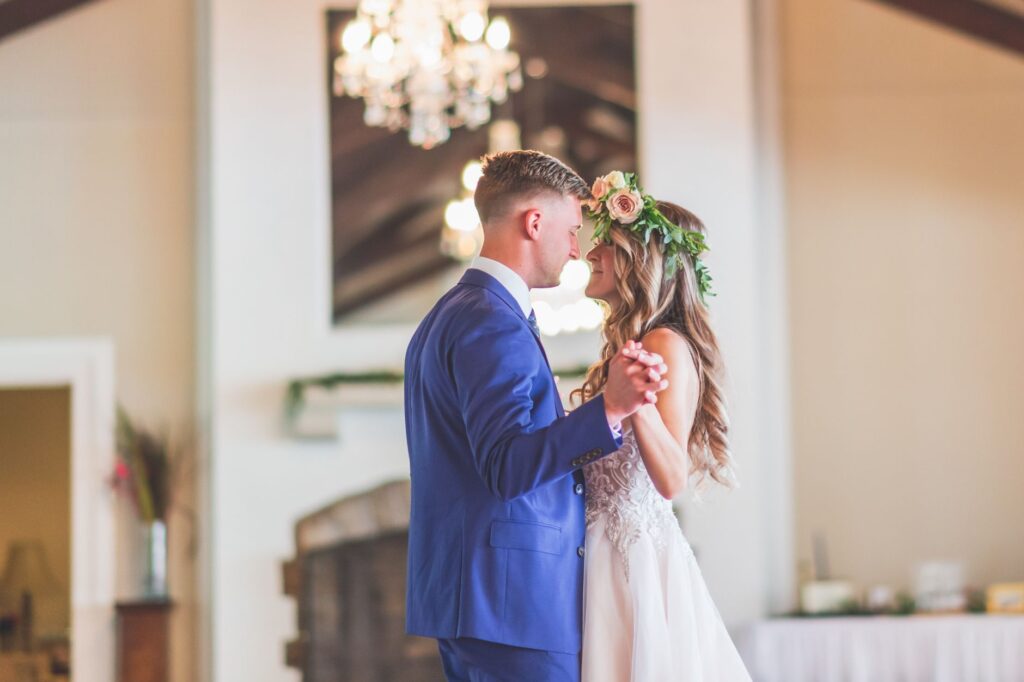
- 3:30 PM: Newlyweds enter the reception; first dance.
- 4:00 PM: Dinner service begins.
- 5:30 PM: Toasts and speeches.
- 6:30 PM: Cake cutting.
- 7:00 PM: Dance floor opens.
- 10:00 PM: Late-night snacks served.
- 11:30 PM: Send-off for the couple.
This sample wedding day timeline provides a framework that couples can adjust based on their unique preferences and the size of their wedding party. Whether you are planning a small, intimate gathering or a large celebration, a well-organized timeline is key to a successful day. For more tips on crafting your personalized schedule, check out our guide on wedding day emergency kit.
Finalizing Your Wedding Day Timeline
Creating a comprehensive wedding day timeline is essential for ensuring that your big day runs smoothly. The final step in this process involves communicating with all vendors and sharing the timeline with key individuals. This ensures that everyone is informed and on the same page, which is crucial for seamless wedding organization.
Communicating with Vendors
Your vendors play a vital role in your wedding day, from the caterer to the florist. It’s important to provide each vendor with a finalized version of your wedding day timeline. This allows them to plan accordingly and ensures that they are aware of key times, such as the ceremony schedule and reception timeline.
When communicating with vendors, consider the following:
- Share the timeline early: Ideally, provide the finalized timeline at least a month in advance. This allows vendors to prepare adequately.
- Be open to feedback: Vendors may have insights or suggestions to improve the timeline based on their experience.
- Confirm details: Double-check with each vendor to ensure they have received the timeline and understand their responsibilities.
Sharing the Timeline with Key People
In addition to your vendors, sharing your wedding day timeline with key individuals is essential. This includes the bridal party, family members, and the officiant. Clear communication helps everyone know when and where they need to be throughout the day.
Here are some tips for sharing your timeline:
- Distribute copies: Provide printed or digital copies of the timeline to your bridal party and immediate family.
- Host a pre-wedding meeting: Consider organizing a gathering to go through the timeline together, allowing everyone to ask questions.
- Stay flexible: While it’s important to stick to the timeline, be prepared to adapt if necessary due to unforeseen circumstances.
By effectively communicating with your vendors and sharing the timeline with key people, you can help ensure that your wedding day unfolds as beautifully as you envisioned. This proactive approach not only reduces stress but also enhances the overall experience for everyone involved.
FAQs About Creating a Wedding Day Timeline
Crafting a wedding day timeline can feel overwhelming, but understanding key details can alleviate much of the stress. Here are some frequently asked questions to guide you through the process and ensure your day unfolds smoothly.
What is a wedding day timeline?
A wedding day timeline is a detailed schedule outlining every event and activity that will occur on your wedding day, from hair and makeup to the end of the reception. It serves as a roadmap for you, your vendors, and your wedding party, ensuring that everyone knows where they need to be and when.
How do I create a ceremony schedule?
To create an effective ceremony schedule, start by determining the start time of your ceremony, then work backward. Consider how long it will take for hair and makeup, transportation, and any pre-ceremony rituals. Include buffer times for unexpected delays, and don’t forget to account for the time needed for guests to arrive. A well-organized ceremony schedule is critical for a smooth transition into the reception timeline.
How long should my reception timeline be?
Your reception timeline can vary depending on the events you want to include, such as speeches, dancing, and cake cutting. Typically, receptions last around four to five hours. Plan out each segment in advance, ensuring that transitions between activities are seamless. This organization keeps the energy lively and your guests engaged throughout the evening.
How can I ensure wedding organization on the day?
To maintain wedding organization, assign someone as the day-of coordinator. This person can manage logistics and troubleshoot any issues that arise. Additionally, distribute copies of the wedding day timeline to key participants, such as the bridal party and vendors, to ensure everyone is on the same page.
Having a well-structured wedding day timeline not only streamlines your day but also allows you to enjoy every moment of your celebration. For more tips on crafting your timeline, check out our wedding planner Las Vegas.

Creating a detailed wedding day timeline is essential for ensuring that your special day runs smoothly. By establishing a clear ceremony schedule and reception timeline, you can keep everything organized and on track, allowing you to focus on celebrating with your loved ones. Remember to allow some buffer time between events to accommodate any unexpected delays, ensuring that your wedding organization remains stress-free.
Now that you have the tools to craft your perfect wedding day timeline, it’s time to start drafting your schedule. Gather your wedding party, vendors, and family to collaborate on the details, making sure everyone is on the same page. This proactive approach will help you enjoy your day to the fullest, creating cherished memories that last a lifetime.
“`html
What should be included in a wedding day timeline?
A well-crafted wedding day timeline should include all major events, such as the ceremony, reception, photo sessions, and any special performances. Additionally, consider including time for hair and makeup, travel between venues, and meals for the bridal party and vendors. This comprehensive approach ensures that everyone knows where to be and when, allowing for a smoother day. Break down each section by time slots to create a clear plan everyone can follow.
How long should the ceremony schedule be?
The ceremony schedule typically lasts between 20 to 30 minutes, depending on the type of ceremony and any additional elements you might include, such as readings or musical performances. It is important to communicate with your officiant to ensure that everything fits within the allotted time. This timeframe allows for a heartfelt ceremony while keeping guests engaged and ready for the reception. Ensure this is reflected in your overall wedding day timeline to keep everything on track.
How do I create a reception timeline?
To create a reception timeline, start by determining the key events you want to include, such as the grand entrance, speeches, dinner service, and dancing. Allocate specific time blocks for each activity, ensuring you leave room for any delays. Collaborate with your venue and caterers to coordinate meal timing with activities, and share this timeline with your DJ or band to synchronize music and entertainment. A well-organized reception timeline enhances the flow of your celebration and keeps guests engaged.
What is the best way to organize my wedding day?
The best way to organize your wedding day is to create a detailed wedding day timeline that includes all key events and their durations. Use a checklist to keep track of tasks leading up to the day and delegate responsibilities to trusted individuals. Consider hiring a wedding planner to help manage logistics and timelines. Flexibility is key; be prepared for unexpected changes. A well-structured wedding organization will help alleviate stress and ensure a memorable experience for you and your guests.
Can I adjust my wedding day timeline on the fly?
Yes, you can adjust your wedding day timeline on the fly, but it’s best to do so with careful consideration. Keep a buffer in your schedule to allow for unforeseen delays. Communicate any changes clearly with your wedding party and vendors to ensure everyone is on the same page. Having a flexible approach not only helps you adapt to changes but also keeps the atmosphere relaxed and enjoyable for everyone involved.
How do I communicate the timeline to my vendors?
To communicate the timeline to your vendors, provide them with a copy of your wedding day timeline well in advance of the event. Consider scheduling a meeting or call to discuss key points and address any questions they may have. It is also helpful to send a reminder a few days before the wedding. Keeping an open line of communication ensures that your vendors are prepared and can align their services with your schedule, contributing to the overall success of your wedding day.
“`